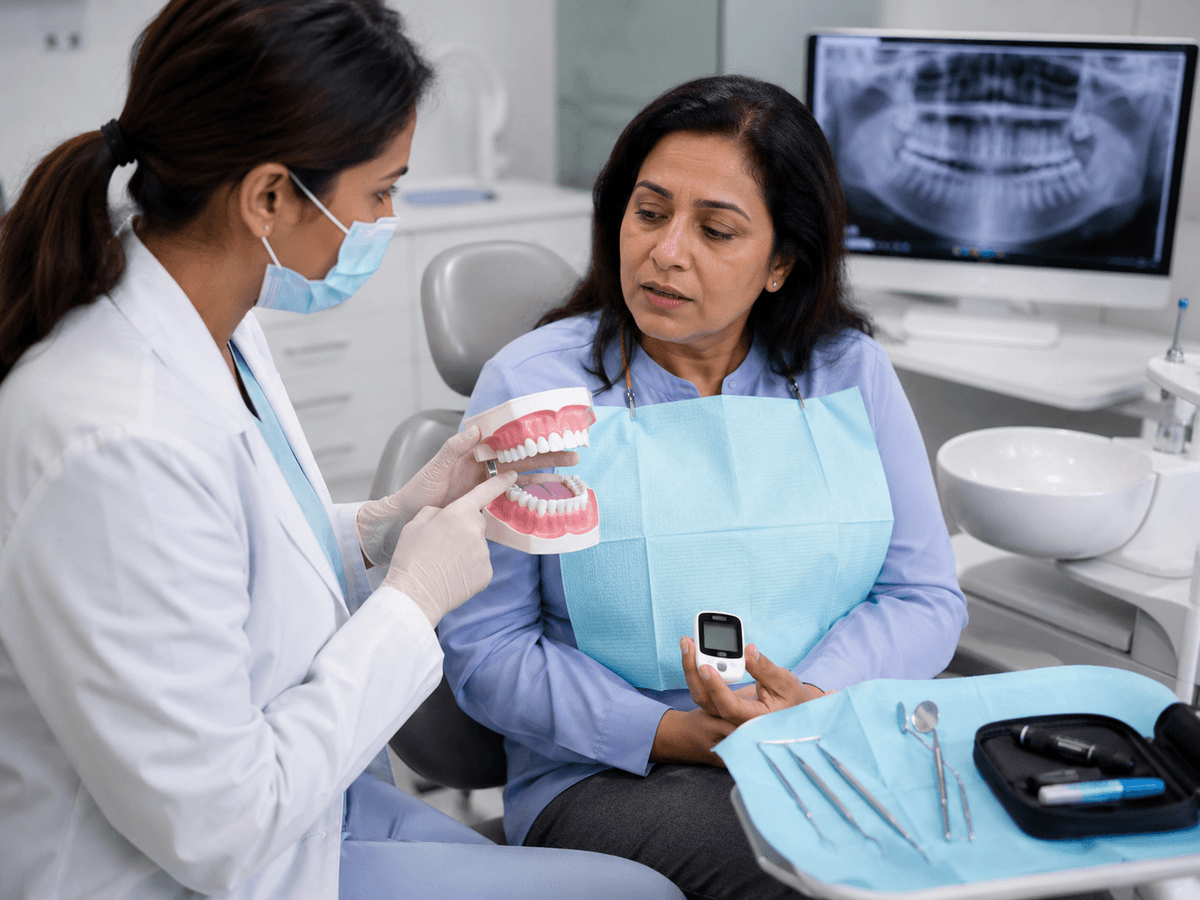
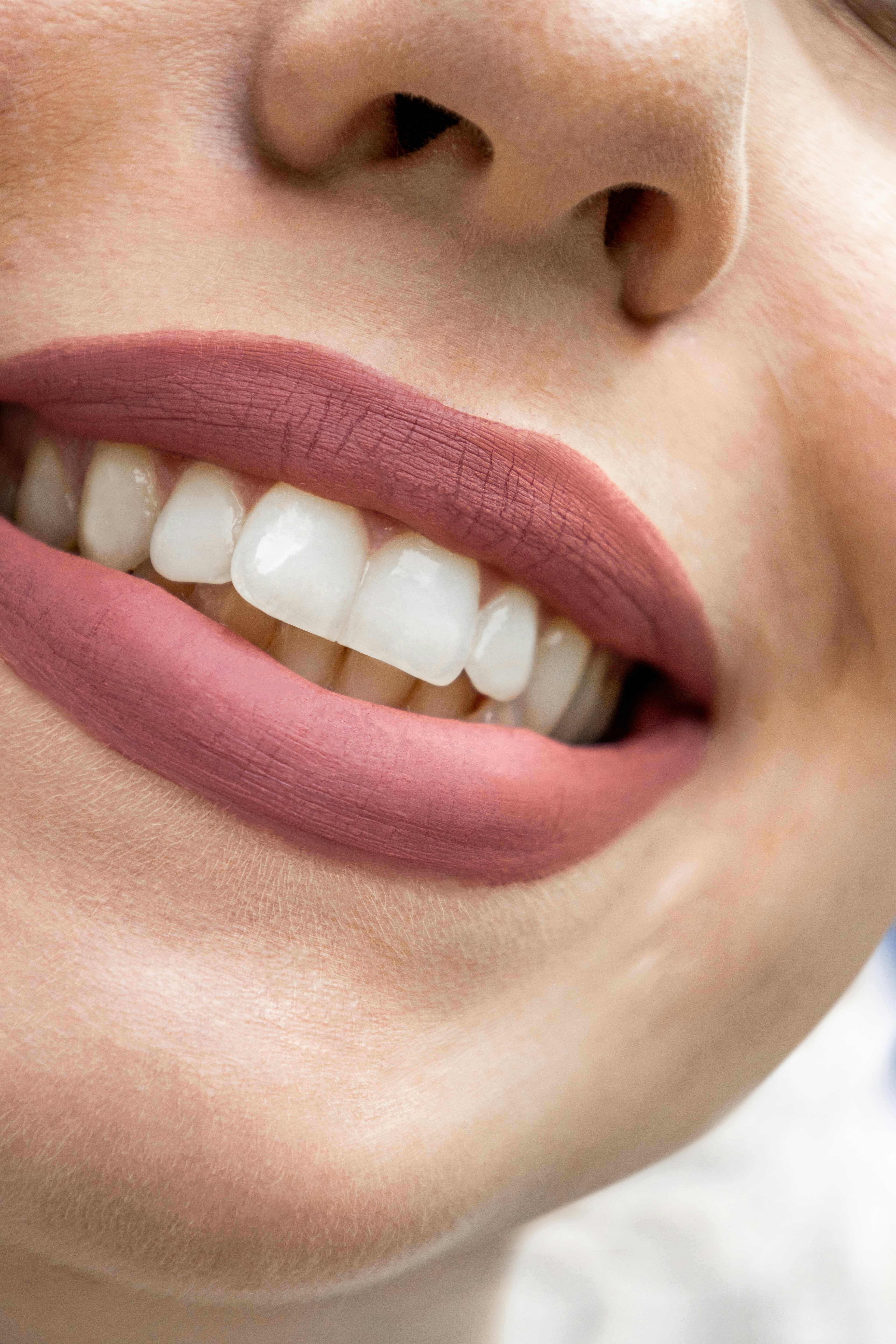
When we talk about general health, we often think about nutrition, physical activity, and medical checkups. But an important part of that picture begins in the mouth: the oral microbiome.
The oral microbiome is the ecosystem of microorganisms living in the oral cavity. When it is balanced, it helps protect oral tissues. When that balance is disrupted, the risk of cavities, gingivitis, periodontitis, and chronic inflammation may increase.
What is the oral microbiome?
The mouth contains many types of bacteria, fungi, and viruses. Most of them are a normal part of the body and do not cause problems when they remain under control.

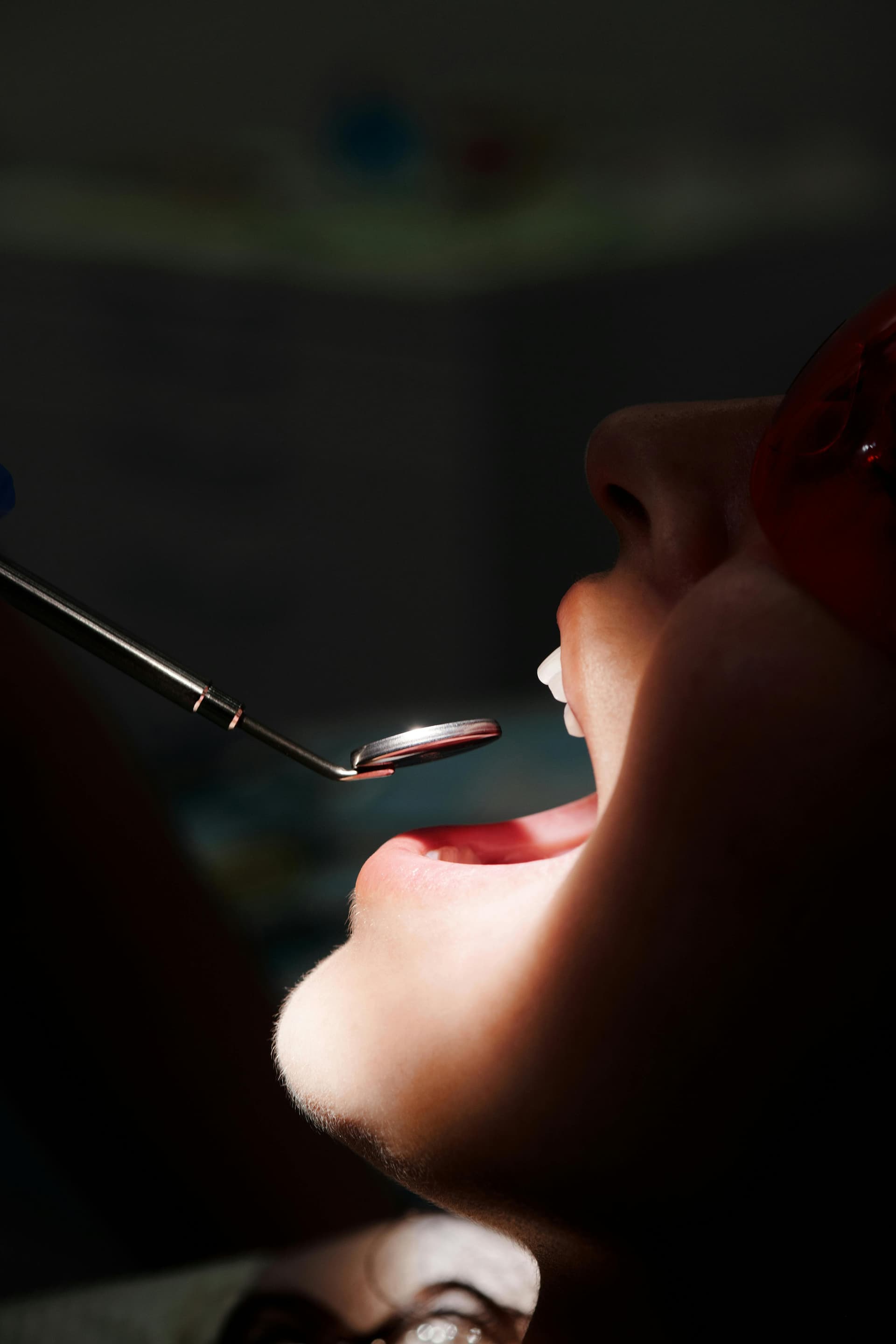
A healthy oral microbiome is defined by balance between protective microorganisms and those that can become harmful under certain conditions. When this balance is disrupted, oral dysbiosis can develop.
Dysbiosis may be encouraged by:
- Poor oral hygiene
- Frequent sugar intake
- Smoking
- Dry mouth
- Stress
- Chronic health conditions
- Some medications
How is it linked to oral health?
When the oral microbiome is unbalanced, pathogenic bacteria can multiply more easily and create a more aggressive biofilm.
This may lead to:
- Frequent cavities
- Gingivitis
- Bleeding gums
- Plaque and tartar buildup
- Bad breath
- Periodontitis
- Gum recession
- Tooth sensitivity
For this reason, plaque control is more than an aesthetic issue. It is the foundation of oral prevention.
Can the oral microbiome affect the body?
Modern research shows that oral health is connected with systemic health. Oral bacteria and inflammatory mediators can pass from inflamed tissues into the bloodstream.
Disturbances in the oral microbiome have been associated in studies with higher risk or more difficult management of several conditions, including:
- Periodontal disease
- Diabetes
- Cardiovascular disease
- Respiratory infections
- Pregnancy complications
- Digestive disorders
These connections do not mean oral bacteria are the only cause of these diseases. They do show that oral inflammation should not be ignored.
Signs of an unbalanced oral microbiome
A dentist may notice signs that suggest oral dysbiosis, such as:
- Frequent plaque and tartar buildup
- Bleeding during brushing
- Red or swollen gums
- Persistent bad breath
- Recurrent cavities
- Dry mouth
- Frequent ulcers or irritation
- Tooth mobility
If these signs repeat, changing toothpaste alone is usually not enough. The underlying cause should be evaluated.
What is oral microbiome testing?
Oral microbiome testing analyzes the microorganisms present in the mouth. It is usually done with a saliva sample or an oral swab.
The analysis may help identify bacteria of periodontal importance or clarify a patient's bacterial profile. This can be useful in selected cases, especially when periodontal disease keeps recurring or does not respond as expected to treatment.
This test does not replace a clinical exam, X-rays, or periodontal measurements. It is an additional diagnostic tool.
How to improve the oral microbiome
The balance of the oral microbiome is supported by daily habits and regular professional care.
The most important recommendations are:
- Brush twice a day
- Use floss or interdental brushes
- Limit sugar and frequent snacking
- Drink water and manage dry mouth
- Do not ignore bleeding gums
- Schedule regular professional cleanings
- Treat gingivitis, cavities, and periodontitis early
Fermented foods and a balanced diet may support general health, but oral hygiene and dental checkups remain the foundation.
Clinical conclusion
The oral microbiome is an active part of oral health and may influence the body's inflammatory balance.
When it stays balanced, it helps protect the teeth, gums, and oral tissues. When it is disrupted, it may increase the risk of cavities, periodontitis, and other problems.
Daily care, dental checkups, and early treatment are the best way to protect this important biological ecosystem.