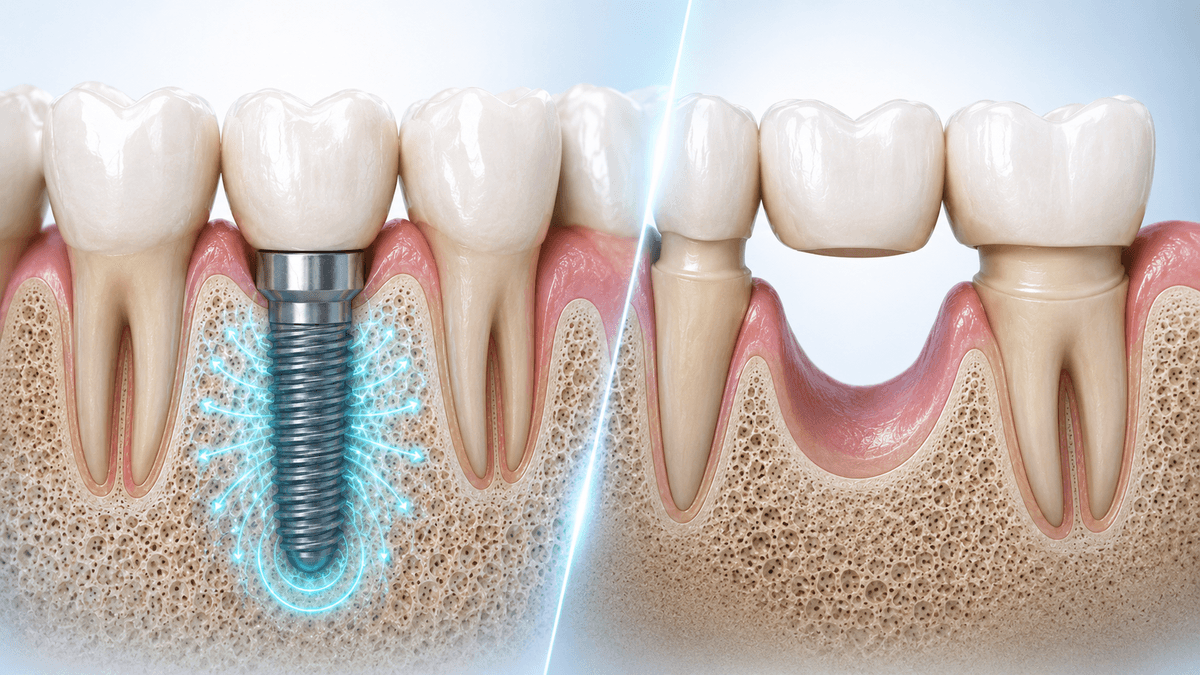
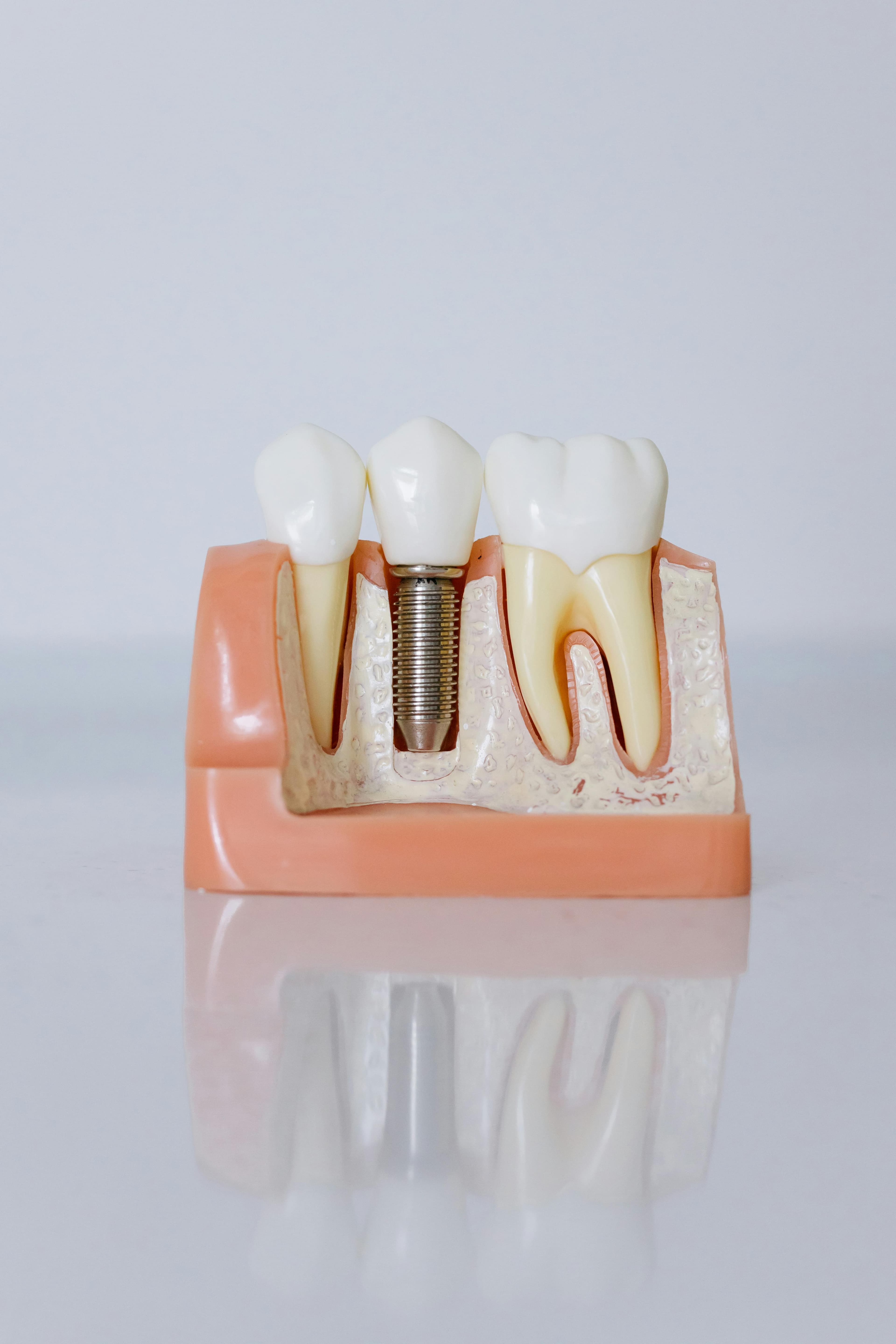
Advances in regenerative dentistry have changed how healing is planned after oral surgery. One technique used more often today is PRF, or platelet-rich fibrin, a biological material prepared from the patient's own blood.
PRF is not a magic replacement for precise surgery or good post-operative care. It is a biological support that may help tissues heal more comfortably and predictably when it is used in the right clinical situation.
What is traditional healing?
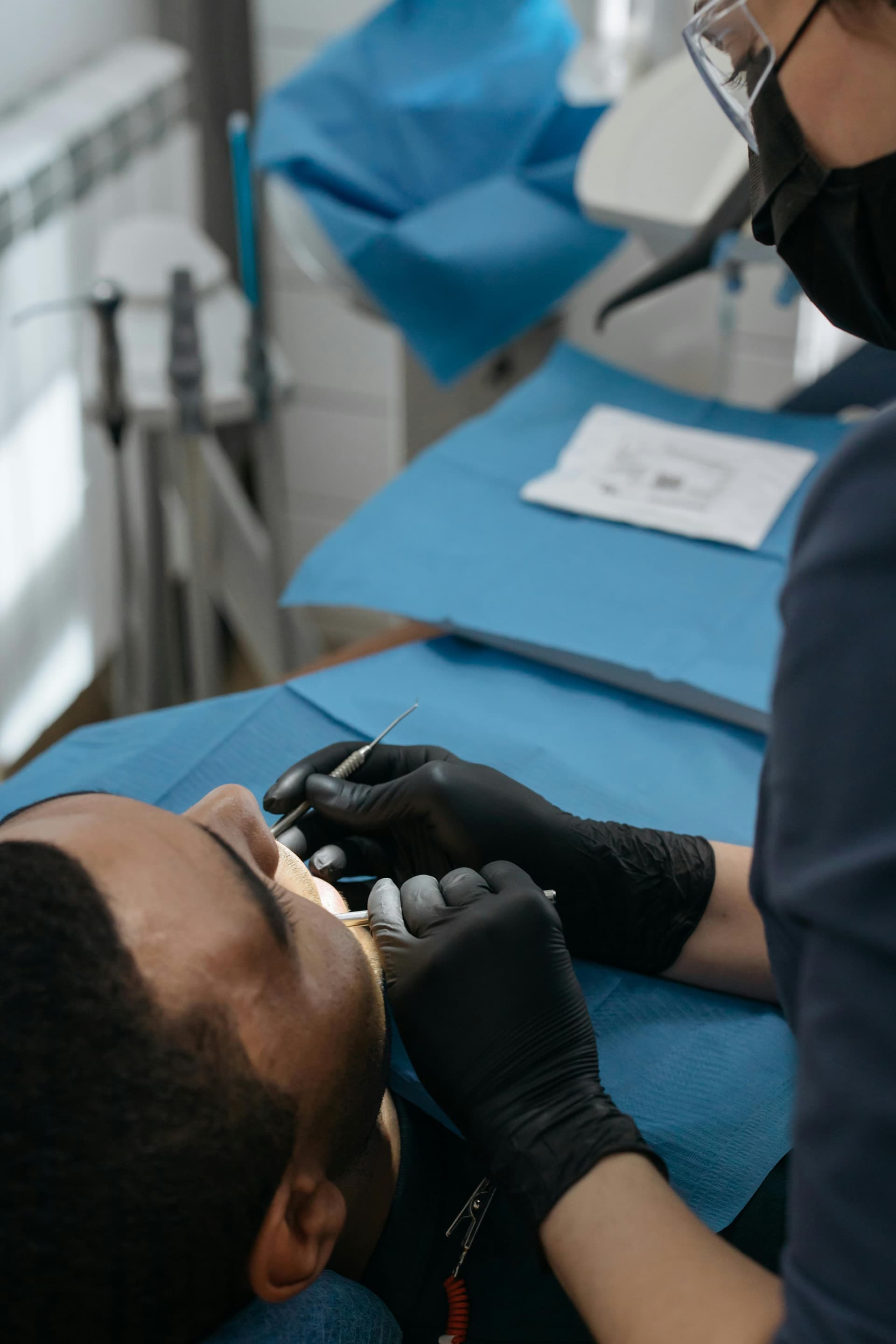
In conventional implant surgery, healing depends on the body's natural response. After the procedure, the body forms a blood clot, starts a controlled inflammatory phase, and gradually rebuilds soft tissue and bone.
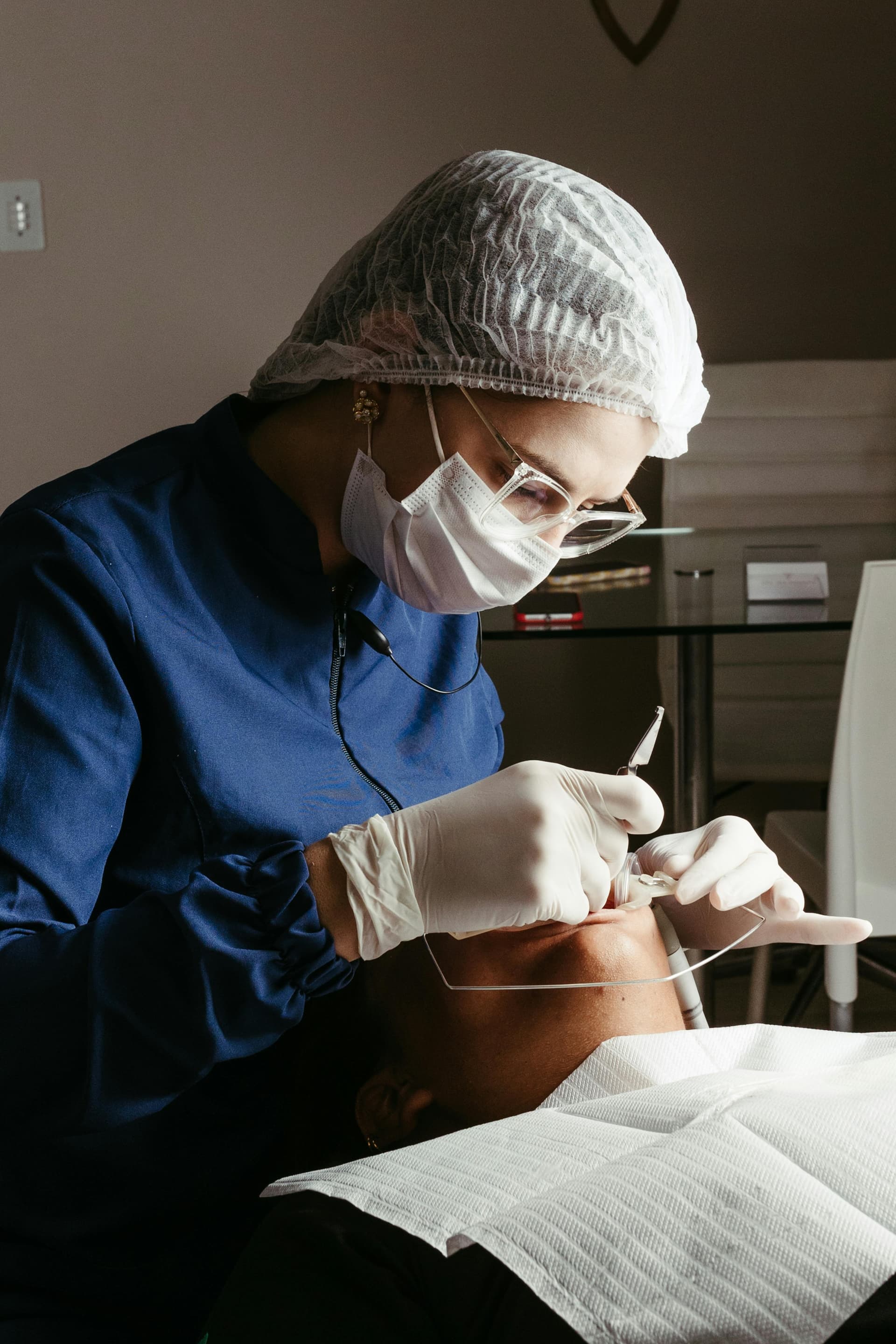
This process is usually successful, but it may be associated with:
- Longer recovery time
- Swelling or discomfort after surgery
- Different healing speed from one patient to another
- Slower tissue regeneration in some cases
Modern regenerative techniques aim to support this natural process, not replace it.
How is PRF prepared?
PRF is prepared by taking a small amount of the patient's blood and centrifuging it. This creates a fibrin matrix rich in platelets, leukocytes, and growth factors.
When placed in the surgical area, this matrix may act as a biological support structure for tissue healing.
How can PRF help?
Depending on the clinical case, PRF may help with:
- Soft-tissue healing
- Reduced post-operative discomfort and swelling
- Support for bone regeneration
- Tissue stability during the healing phase
- Better patient comfort after surgery
Studies in implant dentistry suggest that PRF may have a positive effect especially on soft-tissue healing and secondary implant stability. The final result still depends on diagnosis, surgical technique, bone quality, hygiene, and the patient's general health.
PRF vs traditional healing
Traditional healing relies only on the body's natural biological process. PRF adds an autologous concentrate, meaning it comes from the patient, with a fibrin matrix and biological factors that may support regeneration.
In practice, the main differences are:
- Traditional healing can vary more from patient to patient
- PRF may support a more stable healing phase
- Traditional healing does not add growth factors to the area
- PRF may provide local biological support
- In some cases, patients report less discomfort after surgery with PRF
This does not mean every procedure needs PRF. The decision is made by the dentist or oral surgeon according to the specific case.
Why does this matter for traveling patients?
For patients from Italy, the United Kingdom, or other countries who travel for implant treatment, predictable healing is very important.
When used in appropriate cases, PRF may help with:
- A more comfortable recovery
- Better control of the post-operative phase
- Clearer planning of treatment stages
- Biological support in areas where regeneration is needed
This can be especially useful when treatment includes implants, extractions, bone grafting, or soft-tissue healing.
PRF at Komi Dental Center
At Komi Dental Center, implant treatments are planned by combining diagnosis, digital planning, modern surgical techniques, and regenerative support when it is clinically useful.
PRF is used only when there is a clear indication and when it can genuinely contribute to patient comfort and healing.
Clinical conclusion
PRF is a valuable tool in modern regenerative dentistry. It does not replace well-planned surgery, but it can support the body's natural healing process.
Compared with traditional healing, PRF may offer more biological support, more comfort, and a more predictable healing process in carefully selected cases.